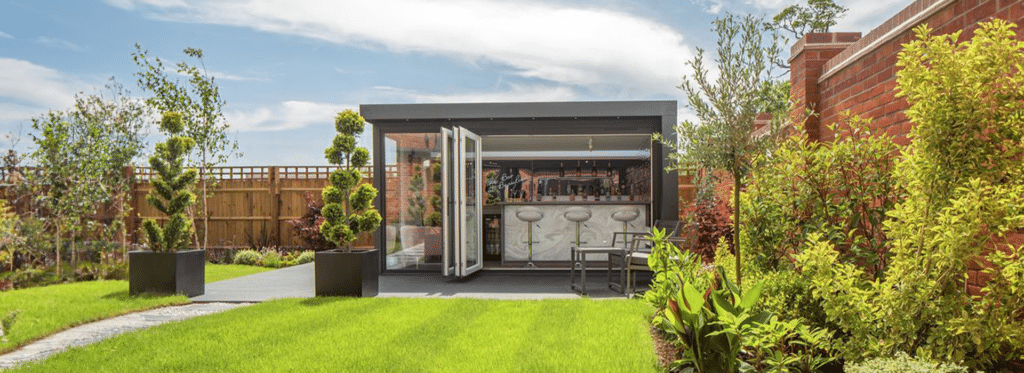
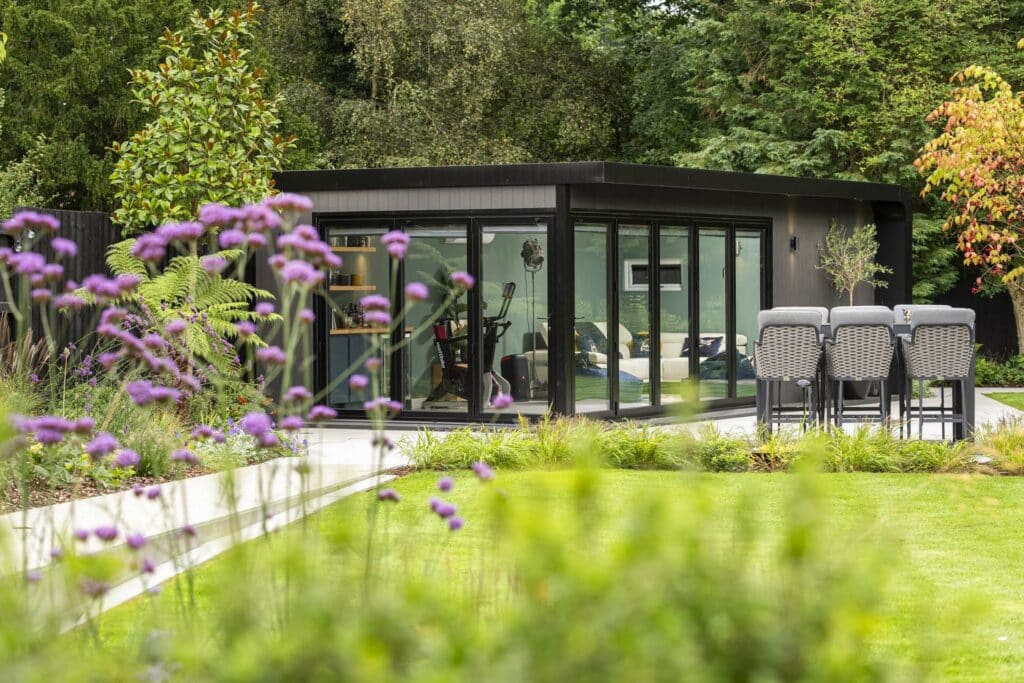
Garden Room Extension
a great option for adding extra space at home
If you are looking to make more space at home you should consider whether a garden room extension might be right for you.
What is a garden room extension?
A garden room extension is a stand-alone garden building that is completely detached from your home. Built to be fully insulated to the same high standard as a room in your house, an insulated garden room from Green Retreats is designed to be used all-year-round.
Garden rooms are a unique extra space at home that is highly versatile and able to be suited for almost any purpose. As well as a garden room extension being highly practical, they are a stylish, cost-effective and hassle-free way to make space at home.
See our garden buildings range…
Garden Room Extension Alternatives
1. Build a Conservatory
Building a conservatory is a very popular and traditional option for people adding more space at home, with 18% of households in Britain already having one. However, the Which? guide to buying a conservatory highlights that this option isn’t as straightforward as you might think. The statistics show that 36% of people who have had a conservatory built admit that they would have done something differently if they could go back and do it again. It doesn’t take long for a conservatory to appear in disrepair and require further investment in both time and money to bring it back around from its tired state. Conservatories are notoriously tricky to temperature control, making the uses for the space very limited. A gym or a spare bedroom wouldn’t look appropriate.
2. Garage Conversion
If you are lucky enough to have a garage and have suitable other safe parking options, there is the option to convert your garage to create more space. Nowadays, space is at a premium – with many new build properties not even having a garage. If you do convert your garage, you are removing a space from your home as a result of transforming it to a new purpose, with a garage often being a highly desirable feature when selling a house. With this in mind, you could be devaluing your property and put off any future buyers. Limitations on adding windows to the space can limit how you are able to use a garage conversion for both lack of light and suitable ventilation.
3. Loft Conversion
Loft conversions are famously expensive and intrusive in your home whilst the work is being done. Having a loft that can have the correct access and internal room heights is unlikely, meaning that a lot of work is generally required to the existing house to allow for a successful loft conversion and to comply to building regs. Average costs are quite high, and work generally takes between 4-6 weeks on site.
4. Extension
Building an extension on your home can be more stressful than moving, and can cost a whole lot more too! Not to mention the stress involved if you are still planning to live on-site whilst the work is being carried out. Building Control sign off and Building Regs approval will all be required for extensions, which adds time and money to the project. Extending your home if the space allows is often highly beneficial to the resale value of your home, so long as the work is high quality and compliments the existing property.
5. Garden Room
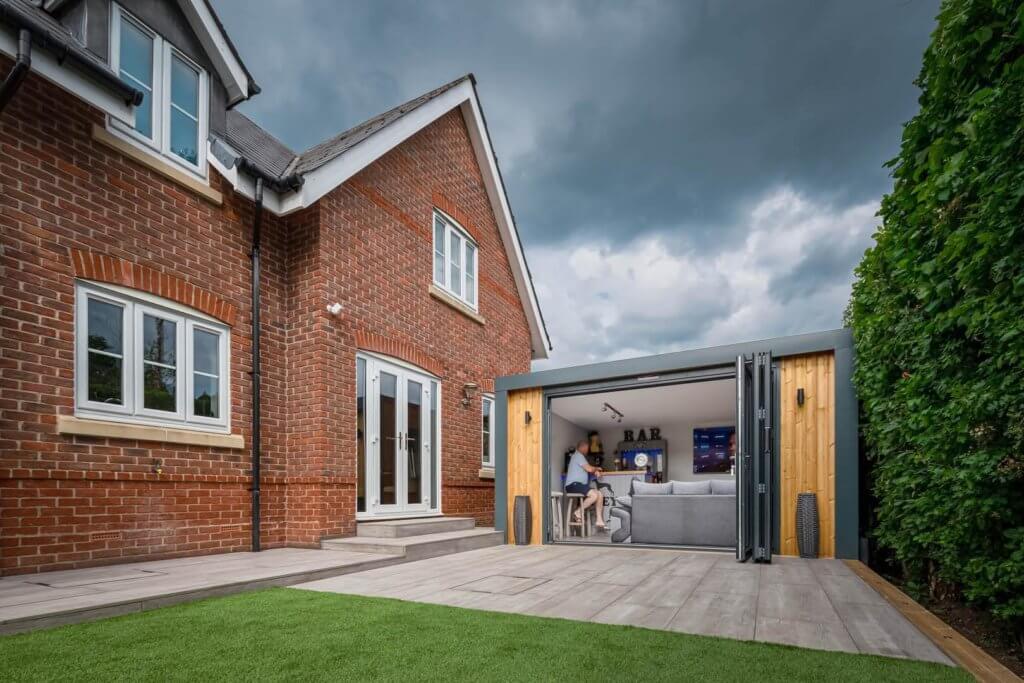
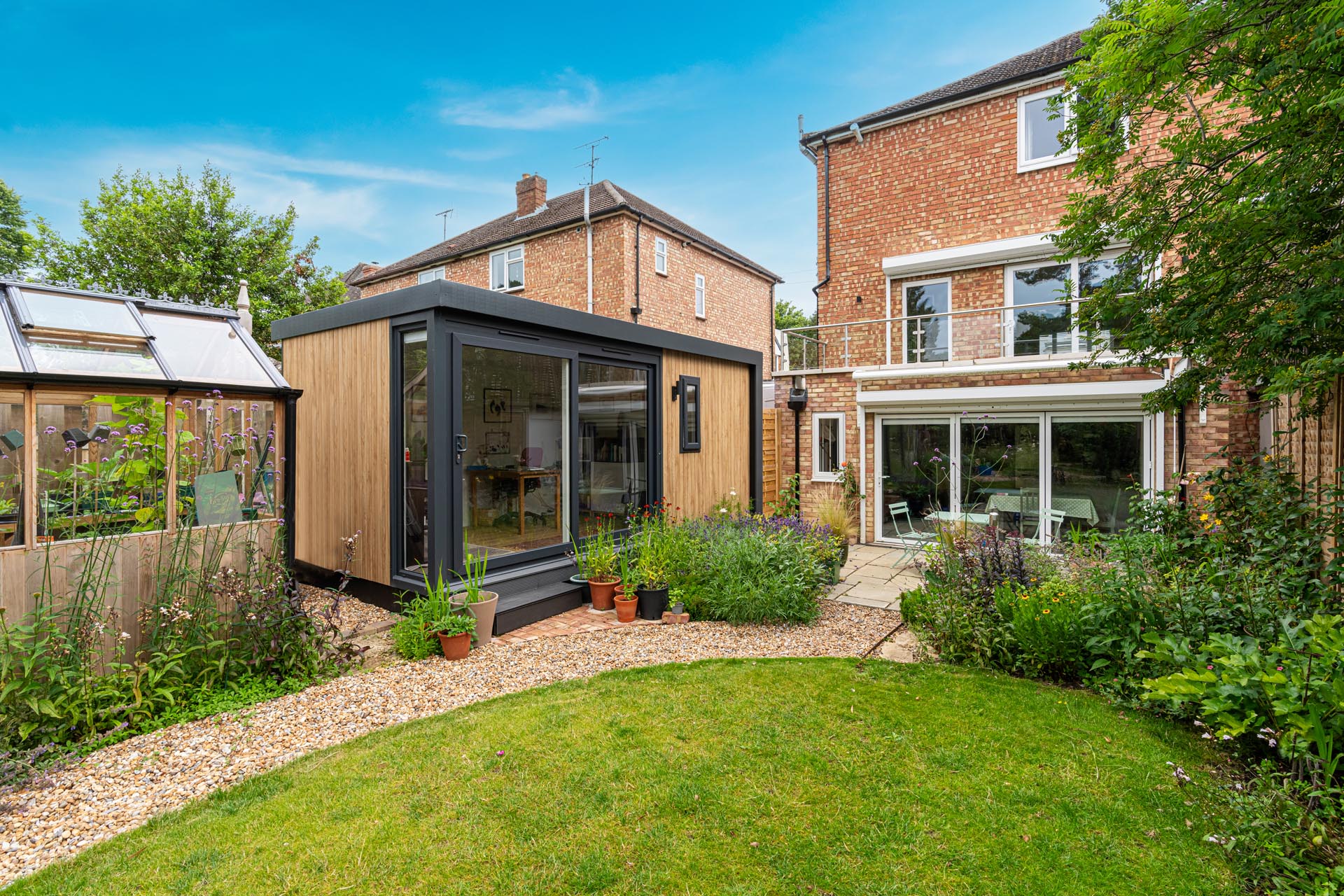
If you have even just a little bit of space in the garden, a quality built garden room could be the perfect space creating solution. Hassle-free, cost-effective and contemporary; a garden room makes a modern alternative to traditional home extension methods listed above.
As a stand-alone structure, a garden building provides separation from the distractions of home; creating a private space to relax, focus and get creative. Garden rooms have no limitations on their uses, being a completely detached and flexible space to create a gym, studio, lodge, office, den, games room, man cave – anything!
Architecturally beautiful and finished in natural materials, a Green Retreats garden building is handcrafted to perfection to provide a stunning addition to your home and garden with a range of designs and size to choose from. What’s more, our buildings are premium insulated for use all year round, allowing you to make the most of your new added space even in the colder winter months. A solid investment that can also add value to your property, our garden buildings come with a 10-year guarantee for that extra peace-of-mind. We use only premium grade materials throughout our buildings from industry-leading suppliers; such as Pilkington, Rehau & Rock-Wool – names that supply to high-end luxury home builds.
Designed to your specification and installed on-site within only 2-5 days depending on options chosen means that we are minimally invasive on your day-to-day running life whilst we install your garden room extension.
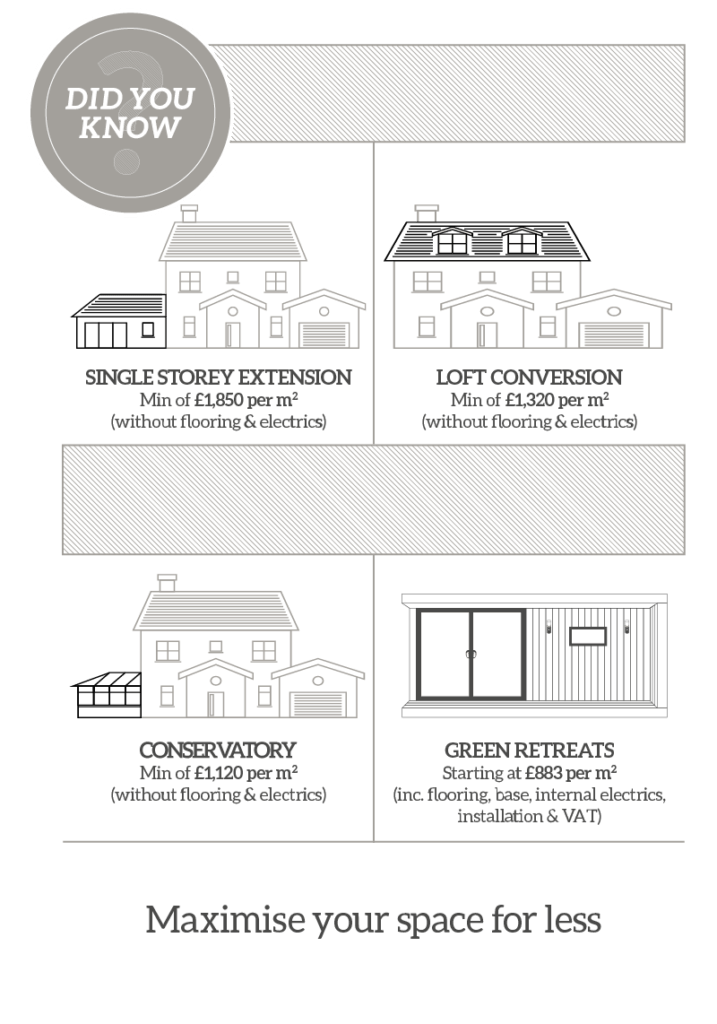
Benefits of a garden room over the extension alternatives:
- Cost-effective
- Hassle-free
- Built in 2-5 days
- Planning permission rarely required
- Building regulations approval not required
- Full professional installation and management included with no subcontractors
- Modern & unique
- Versatile
- No hidden costs
Transparent Pricing & No Hidden Costs
To keep things simple we have a completely transparent pricing policy with no hidden costs. Our prices include all of the ‘essentials’ for the build as well as the finishing touches for a fully operational garden building*. This includes full professional installation, base/foundations, internal electrics, lighting, heating, oak laminate flooring and much more.
Find out more about our prices in our blog: How much is a garden room?
*electrical connection from your home to your garden building is quoted during your free on-site design consultation. Delivery charges may apply. find out more…
“Can a garden room extension add value to my home?”
Yes they can! Many of our customers have reported that their garden building has increased the resell value of their home – confirmed by their estate agents during valuation. Garden room extensions are growing in popularity and as they become better known their value will be greater appreciated by potential buyers. Find out more by reading our dedicated blog with expert advice on how garden rooms add value…
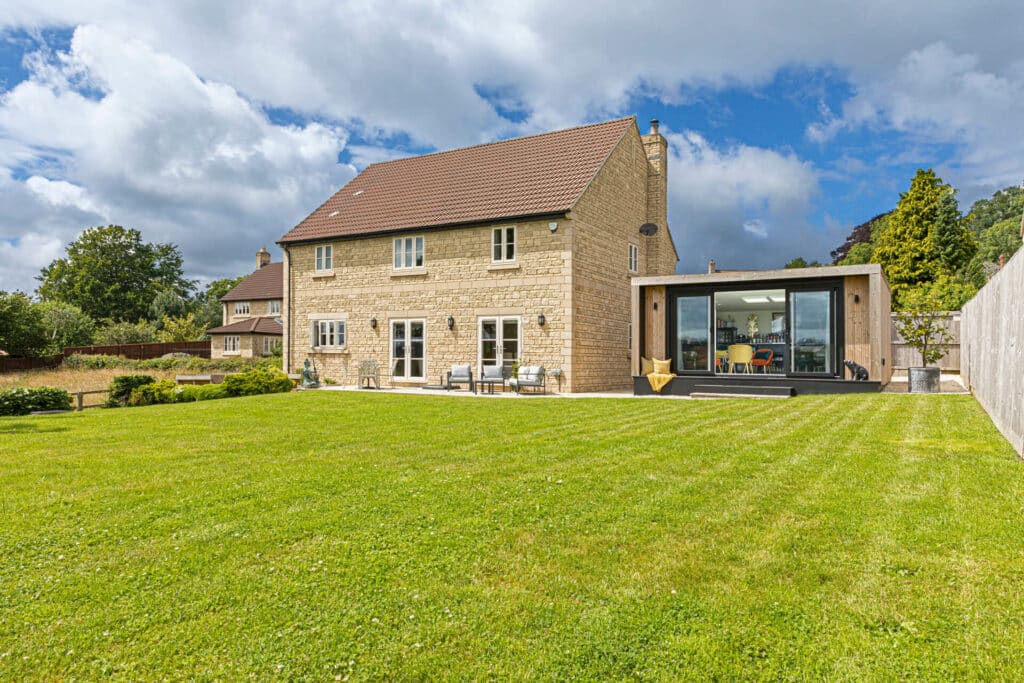
5 Garden Room Extension Ideas
Here are just a couple of ideas on how you could use your garden building. For more inspiration, read our blog about garden room ideas or take a look through our gallery of previous projects.
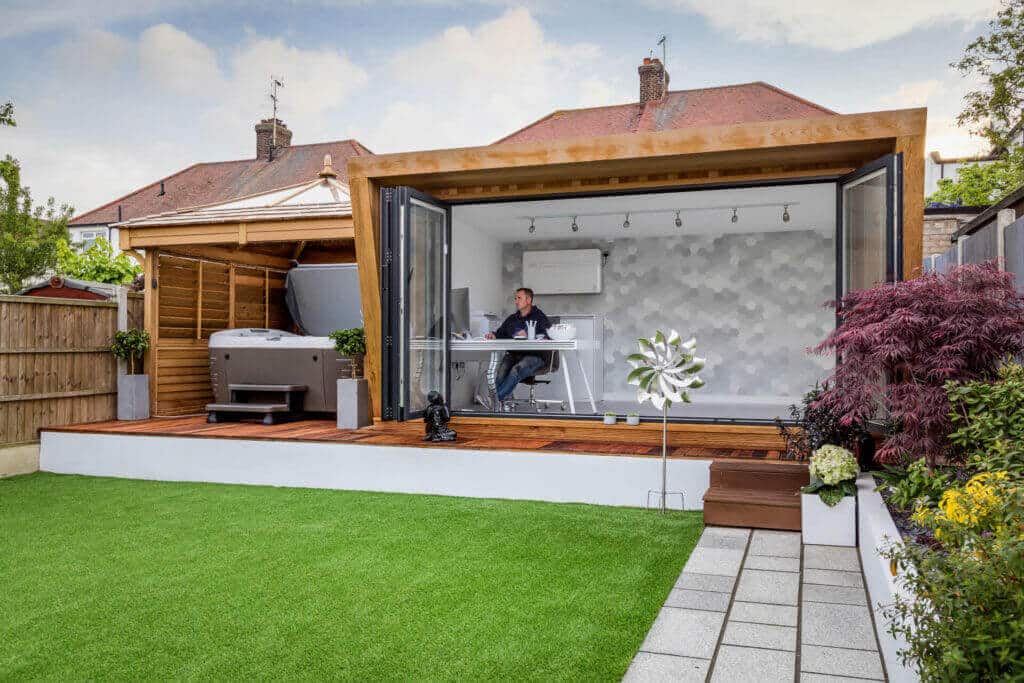
1. Garden Office
A garden office is a great use of a garden room extension. As a completely detached space away from the distractions of home, you can create a professional and focused environment to complete a good day’s work. At the end of the day, you can close the doors and leave the office behind you – meaning you leave those stresses behind and focus on family time when you’re inside your home. Work/life balance is so important after all; your family will agree.
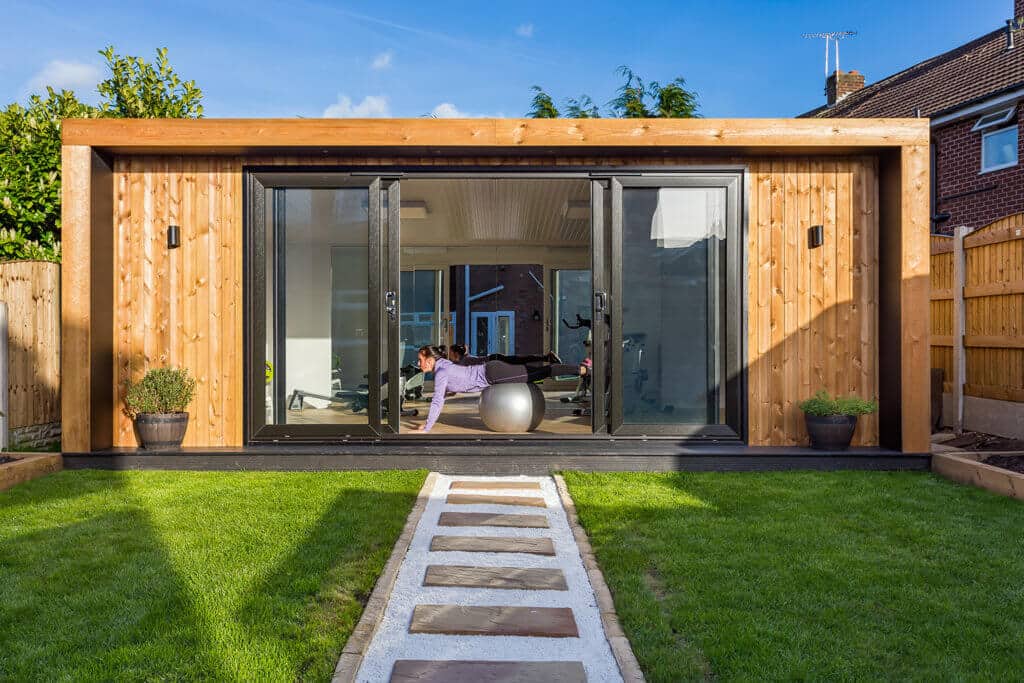
2. Garden Gym
A garden gym is another very popular use of a garden room extension. As a versatile space, you can have light and fresh air in abundance when you create a garden room gym. You can focus on your fitness goals in complete privacy – and you can crank up the motivational soundtrack to help you through your workout without disturbing the rest of your household. We also have options to add air-conditioning as an upgrade so you can create a professional gym experience in the comfort of your garden.
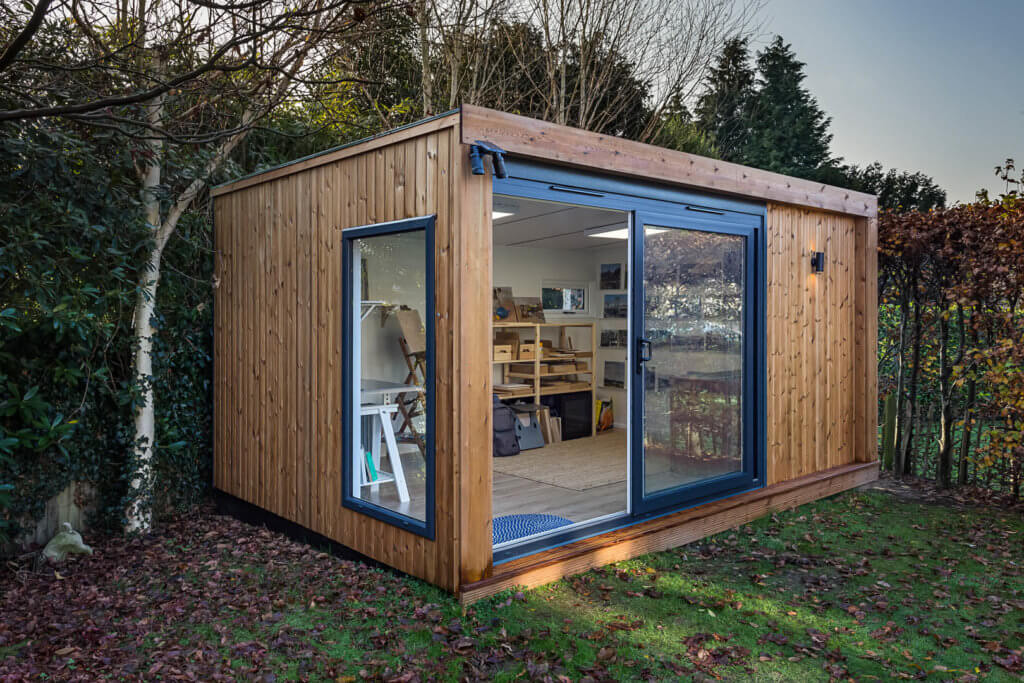
3. Garden Studio
Natural light and natural views – a garden studio is a fantastic way to use your garden building. Artistic hobbies often have a lot of equipment that is often quite messy in appearance. Having a dedicated space to get creative means you can be as messy as you like as well as being able to focus in complete privacy.
4. Temporary Accommodation
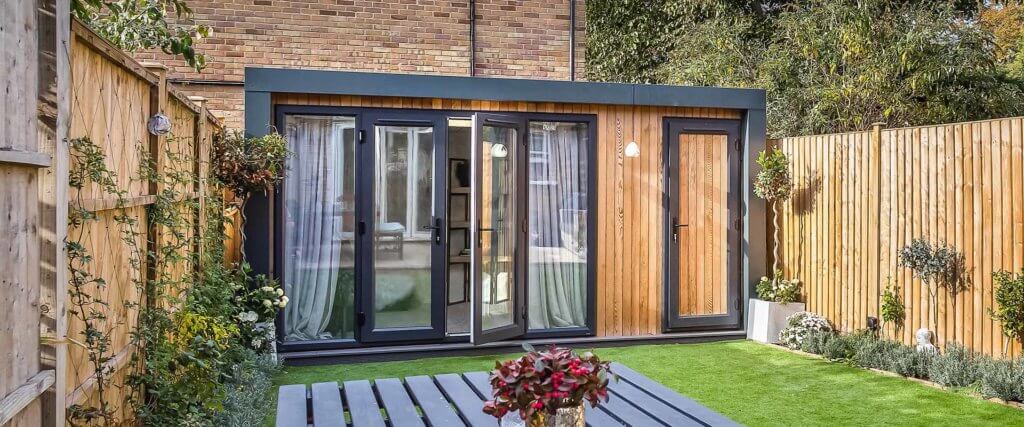
Whist a garden room extension cannot be used for permanent and self-contained living without building regulation sign off, you can certainly use your garden building as temporary accommodation.
5. Multi-purpose
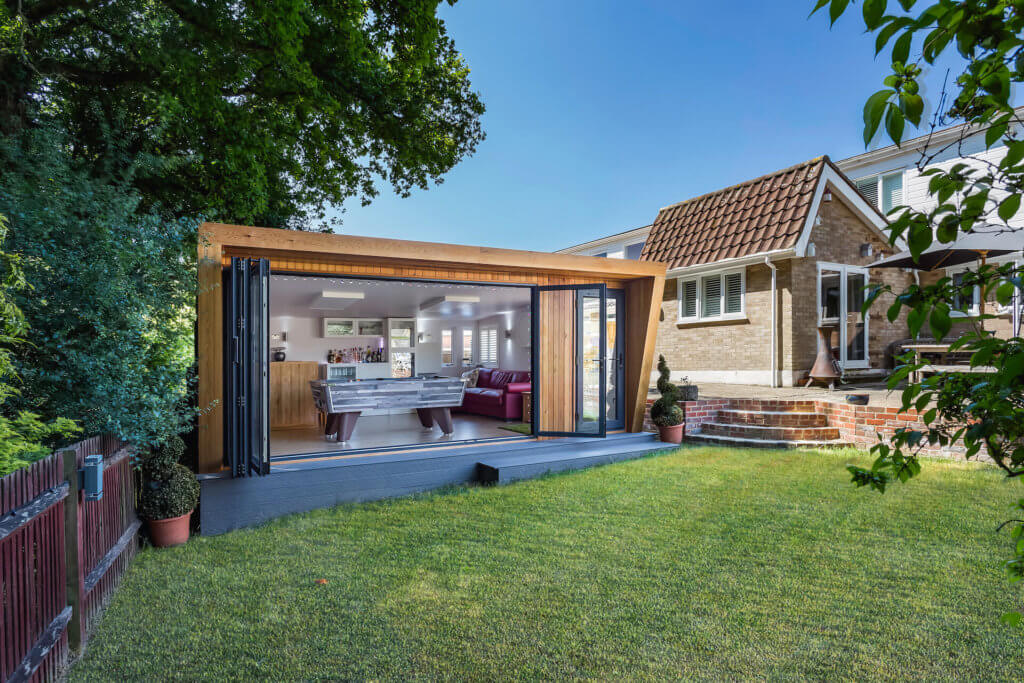
Garden buildings are very versatile in their uses. So why not make the most of the extra space by creating a multi-purpose room. Gym and office combos are particularly popular, as are games rooms and garden bars. Whether your building will be used for practical purposes or leisure, you can mix and match your space to suit your needs.
… and much more!
You name it, we’ve built a design for it. Whatever space you wish you had a home, a garden room extension can help make it a reality.
for more inspiration visit our gallery of previous garden building projects…
Start your project…
get in touch!
Contact us today to learn more about our buildings and to start your own project. Our friendly and professional teams can provide a detailed quote, arrange for a design consultation or book a showroom appointment. We would love to hear your ideas!
For more inspiration, take a look at our videos!
Our garden rooms are priced based on the internal sizes rather than the exterior footprint, making it easier for you to plan your space. The price includes base, installation and VAT so there are no (nasty) surprises when it comes to final payment!
recent posts